— A French Resident’s Experience in Shonan
IN THIS INTERVIEW
| Buyer | Jean-Philippe — French permanent resident, working in Tokyo |
| Purchased | Homes in Hayama & Miura (one bought while living abroad) |
| Takeaway | “Buying in Japan was easier than in France — the key was an agent he could trust.” |
“Buying property in Japan was actually easier than in France.”
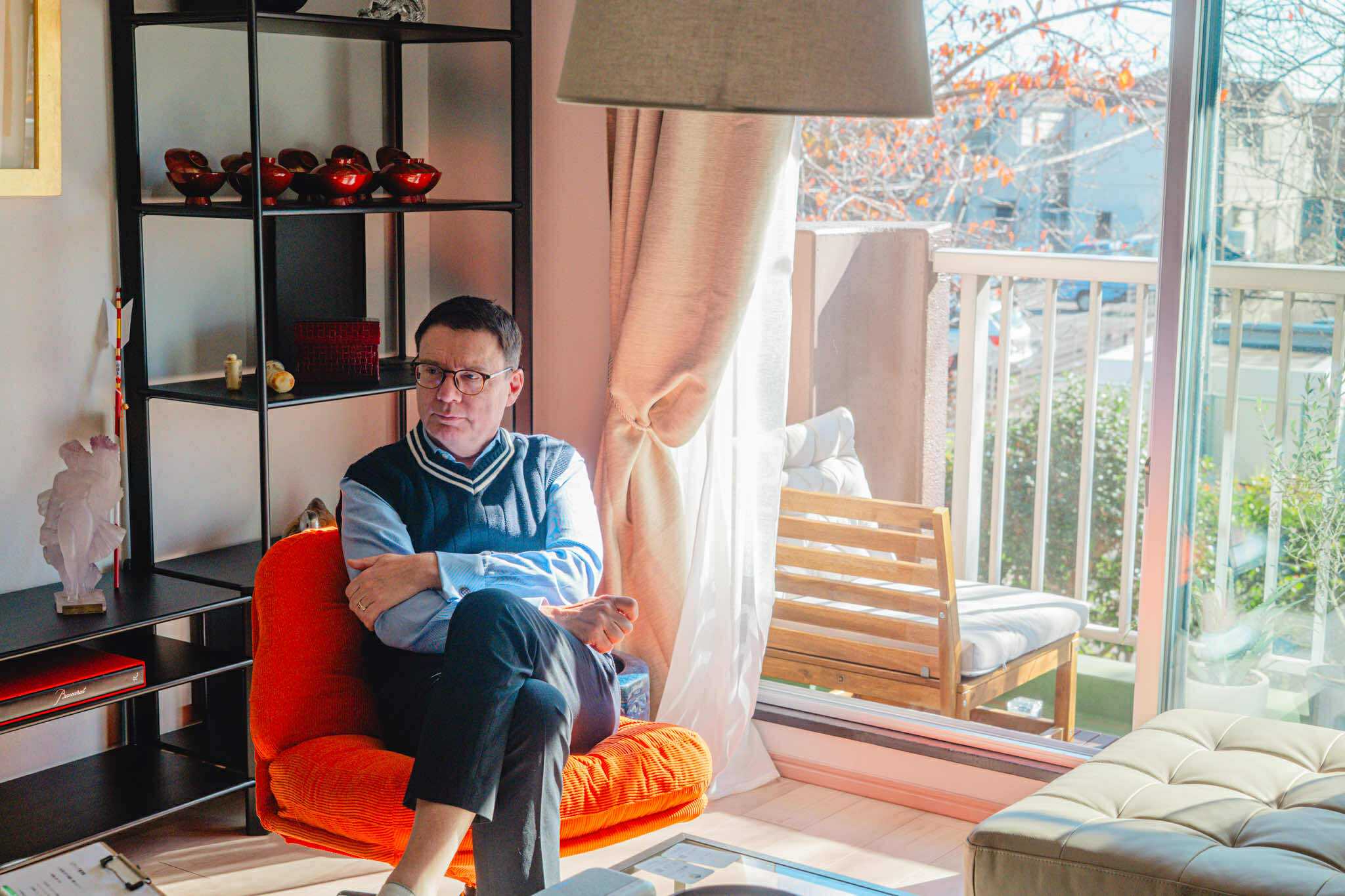
— Jean-PhilippeThat’s the first thing Jean-Philippe Zahm—a French permanent resident who purchased homes in Hayama and Miura—told us. Even one of his purchases was completed while he was living abroad, yet the process still felt simple.
But for Jean-Philippe, the experience was smooth for a very different reason.
It wasn’t about speaking perfect Japanese—
it was about trust.
CHIHARU
Many international clients ask us, ‘Is buying really possible for foreigners?’ I wanted to start with Jean-Philippe’s honest, personal answer—because that first feeling often shapes everything that comes after.
Part 1 — Why Japan? Why the Shonan Coast?
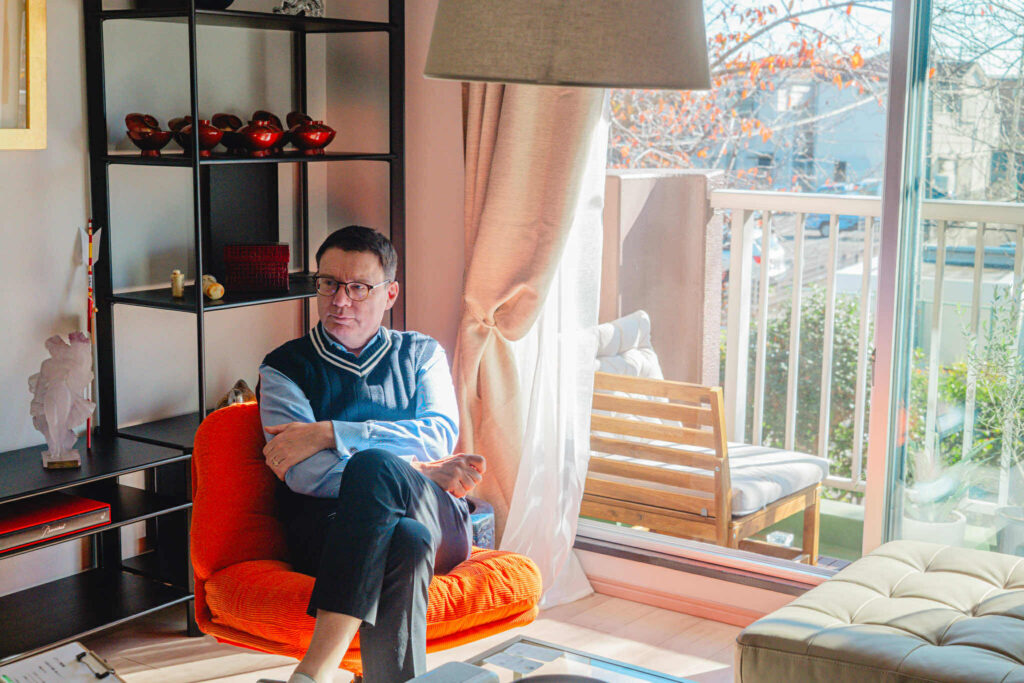
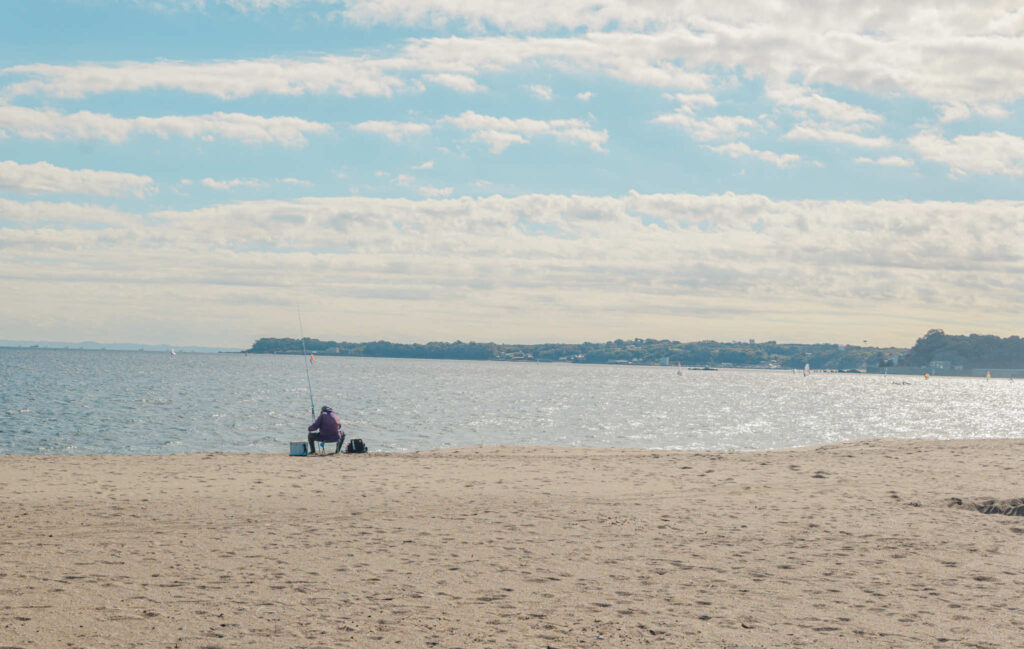
For him, the Shonan coast works because it lets him live two rhythms at once:
Tokyo during the week, the sea on weekends.
“I’m working during the week in Tokyo. So coming back on Friday or Thursday here, it’s very French lifestyle.”
Why did you decide to look for property around Hayama, Miura, and the Shonan area?
Jean-Philippe
“Because it’s convenient to come from Tokyo. From Zushi, you take the train directly to Tokyo—it’s one hour. Miura is a little longer but still direct.
And the sea is wonderful. I fell in love with the flat and the area. The beach is wonderful.”
CHIHARU
A lot of foreign buyers aren’t ‘choosing a town’ first—they’re choosing a lifestyle. Shonan often becomes the answer when they want both access and nature.
Part 2 — The Reality of Buying Property in Japan
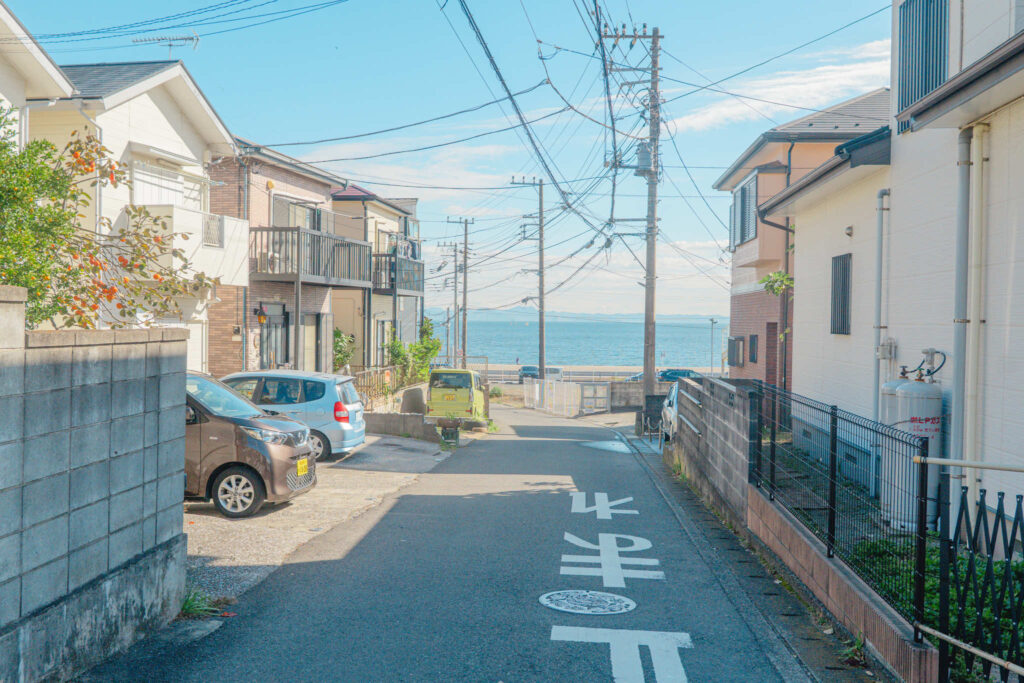
Many foreign buyers expect Japan to be bureaucratic and complicated. Jean-Philippe expected that too—until he actually went through it.
Was buying property in Japan difficult?
Jean-Philippe
“No. It was not complicated. It was very easy.
It looks difficult, but it’s easier than in France. The administrative process was easy.
And I think when you are a permanent resident, it’s easier.”
Coming from someone who knows the French system firsthand, that is a striking comparison — so we asked him to explain.
Why did it feel easier than France?
Jean-Philippe
“For example, in France, selling property is complicated today. They have standards you must respect.
They need to check gas systems, windows, conditions. Even if the buyer accepts problems, it doesn’t work.
So yes, Japan’s process is much simpler.”
Even language wasn’t the obstacle people assume it is.
Even when you didn’t speak much Japanese, it still felt easy?
Jean-Philippe
“Yes. Even if at that time we didn’t speak Japanese, it was not difficult.
If you don’t speak fluent Japanese, you need a good agent you can trust.
With that, it’s not difficult at all.”
CHIHARU
“When supporting foreign buyers, the real challenge is to handle every detail meticulously so the process never feels burdensome. While translating documents into English is essential, maintaining close communication and paying attention to every concern—spoken and unspoken—is absolutely crucial.”
Part 3 — Finding the Right Agent: “That Was the Key Thing.”
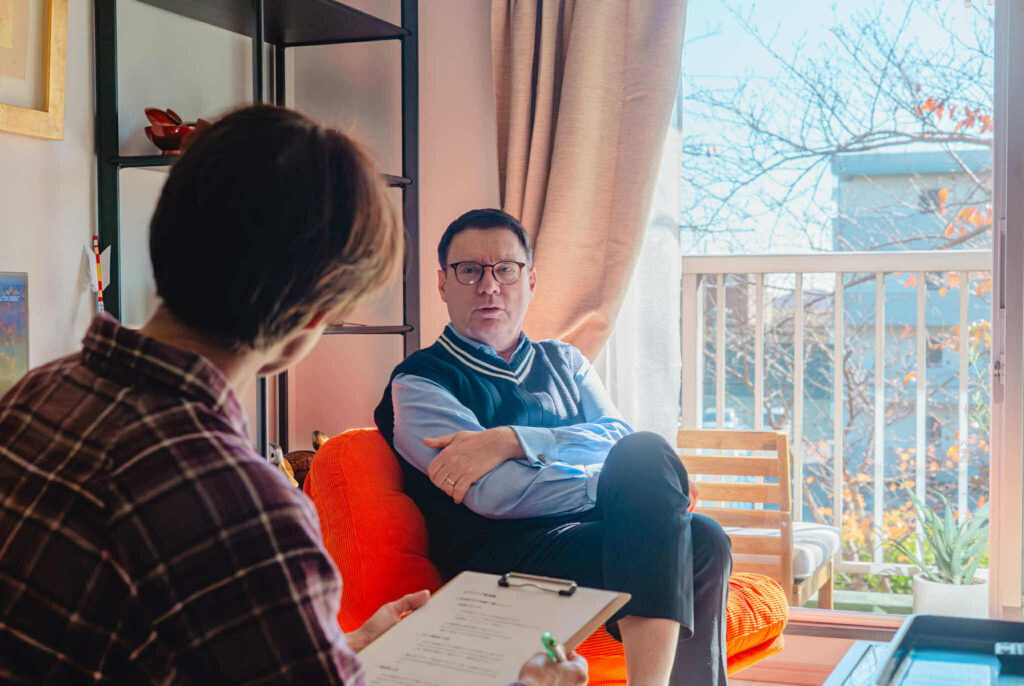
When we asked what made the difference in his experience, Jean-Philippe didn’t hesitate.
“First, because I found the right agency. And that is the key thing.”
Why did you decide to work with Chiharu?
Jean-Philippe
“Because I trust you. I checked various other websites, but I didn’t go with any other agents because I trusted you.”
The trust wasn’t abstract; it came from concrete behavior.
Jean-Philippe’s preferences were specific:
big windows, bright space, a good view, and close to the ocean.
What was the benefit of consulting with Chiharu as your agent?
Jean-Philippe
“First, it’s because I was very clear about what I was looking for.
And you search only what I was looking for.
But also, Chiharu came up with proposals. This one, I didn’t find it. She found it.”
He contrasted this with his experience in France, where he often felt unheard.
“In France… they don’t listen at what you are looking for.
They just send the information, and then you lose time.”
What would you say about Chiharu if you introduced her to someone else?
Jean-Philippe
“Efficient. You listen to the customer, very patient, very helpful.
You represent the customer—that is the most key thing.”
CHIHARU
“With international clients, I try to confirm priorities repeatedly—light, view, access, neighborhood feel. It can take longer, but it prevents mismatches later. Also, I try never to focus only on the good points of a property. Being honest about the concerns as well is part of staying truly sincere with my clients.”
Part 4 — One Unexpected Challenge (and How He Moved Through It)

Jean-Philippe’s process was smooth overall, but not perfectly frictionless.
Did you encounter any unexpected issues while buying?
Jean-Philippe
“One issue: bank transfer. I went to the bank and they said, ‘No, you cannot do it because it’s not a buyer.’
So bank system … it’s not easy.”
He also noted the reality of Japan’s paperwork:
“It’s all in Japanese… pages and pages.”
Still, he felt it remained manageable because the key points were clearly explained to him.
CHIHARU
“Bank procedures and paperwork tend to be the most stressful part of the process for many buyers—regardless of whether they’re foreign or not. The issue Jean-Philippe mentioned was a misunderstanding on the bank’s part, so I explained it immediately and resolved it. What I do is slow the pace, make every request clear, and guide clients step-by-step so nothing feels hidden or overwhelming.”
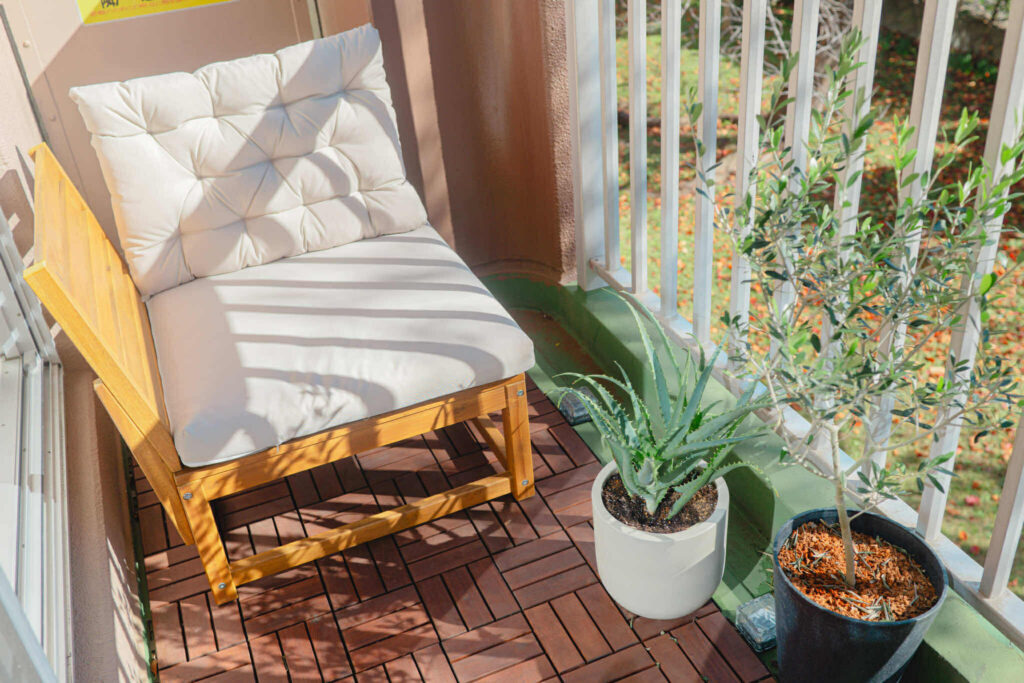
Part 5 — Life in Miura / Hayama as a Foreigner
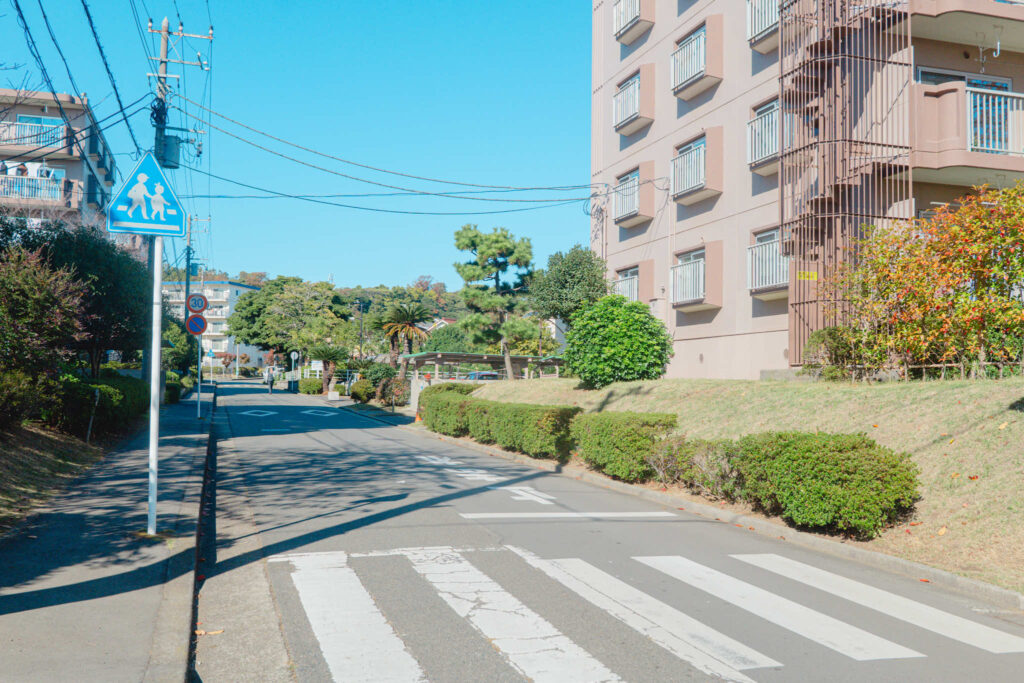
After buying, the question becomes simpler:
What does everyday life feel like here?
Jean-Philippe describes Miura and Hayama as places with a strong local identity.
“Very Japanese… and I like that.”
He acknowledges that foreigners are still rare in Miura compared to towns like Zushi. Sometimes people look at him with curiosity at first, but he says things change once communication feels possible.
“Once they know you speak enough Japanese to communicate, it’s fine.”
He also shared that older generations often feel more open in daily interactions, and that neighborhood contact tends to grow naturally over time.
CHIHARU
Many buyers ask about ‘how foreigners are viewed.’ I’m glad Jean-Philippe described the reality calmly: it’s mostly about communication, not rejection. And even after the purchase, I stay available for questions—whether it’s worries about communication or simply helping clients feel at home in their new community
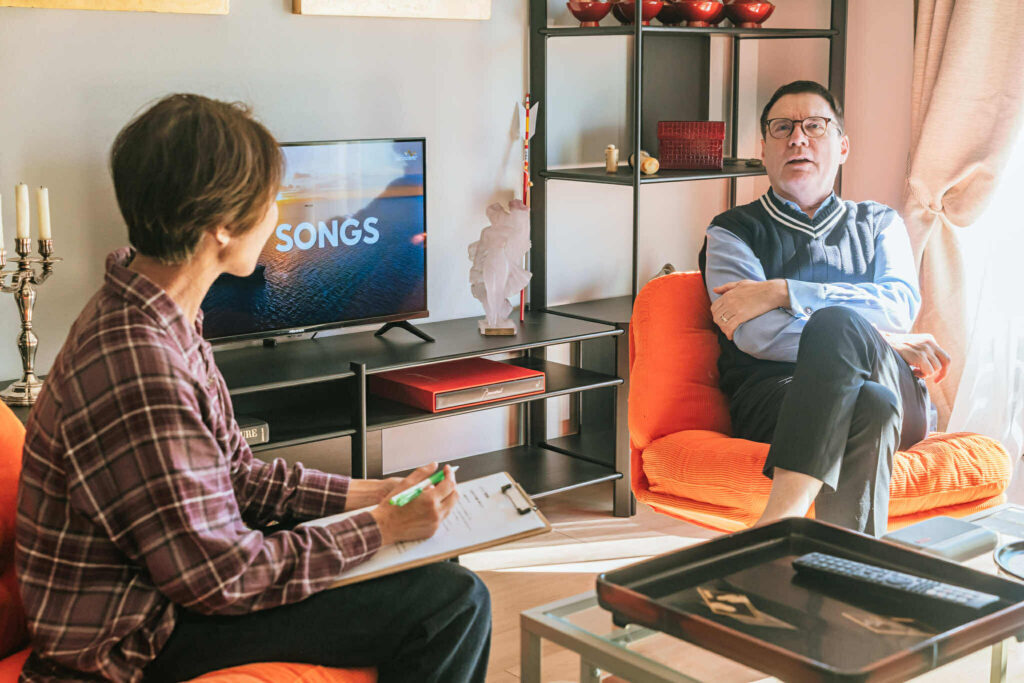
During the interview, Jean-Philippe also spoke warmly about the places he enjoys around Miura—small routines that reveal what living here means to him.
He described one local izakaya as one of his favorite casual spots:
“We drink a lot and eat a lot. Very good sashimi, very good fried dishes. Everything was perfect.”
“It was 4,000 yen per person. Very good quality.”
He also mentioned he’s curious to check out the local fish market, the wine bar, and the French restaurant the local bank manager recommended.
Closing
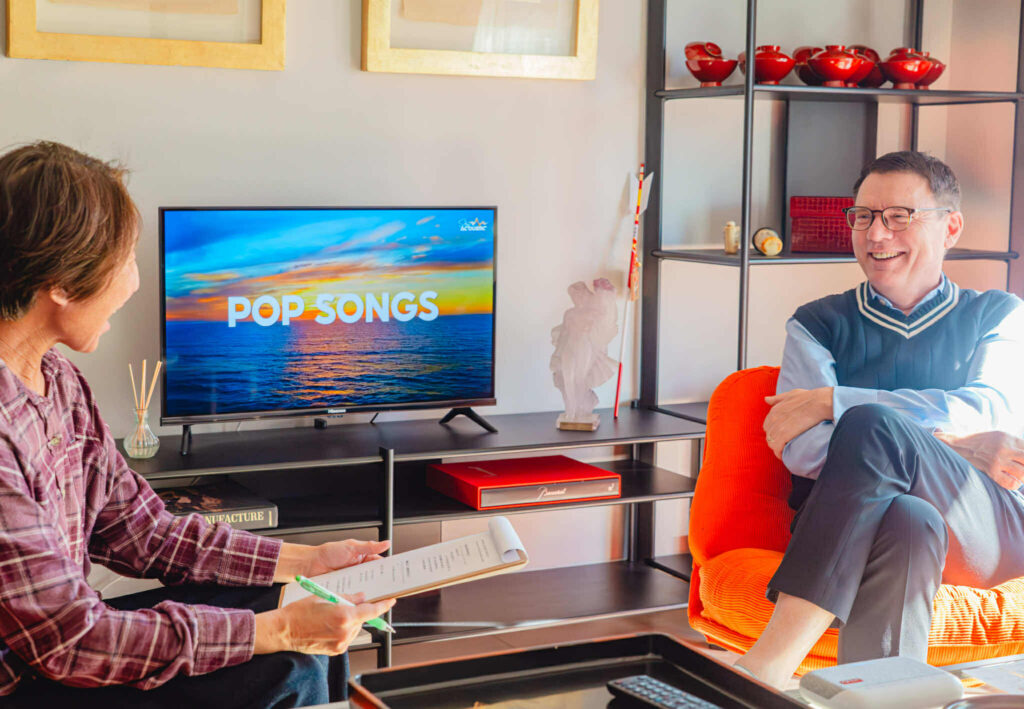
Jean-Philippe’s story doesn’t claim that every foreign buyer will have the exact same process.
But it does show something important:
Japan’s property system can feel far more approachable than many expect—
especially when you work with an agent you trust.
“It was easy because I found the right agent.
That is the key thing.”
If his experience resonates with you, the first step doesn’t have to be a purchase decision.
It can simply be a conversation.
Thinking About Buying Property on the Shonan Coast?
Kamakura Hitohako provides:
- Full English support
- Honest guidance (we will tell you if a property isn’t right for you)
- Transparent process
- Deep local knowledge of Kamakura / Shonan coastal living
Reach out anytime—no pressure, no sales pitch.
Just an honest place to start.
Prefer email? Write to Chiharu directly: kubota@kamakura-fudousan.com